
Cordoba Font Free Download – Windows, Mac, Linux
Cordoba Font: A Handcrafted Typeface with a Tactile Twist
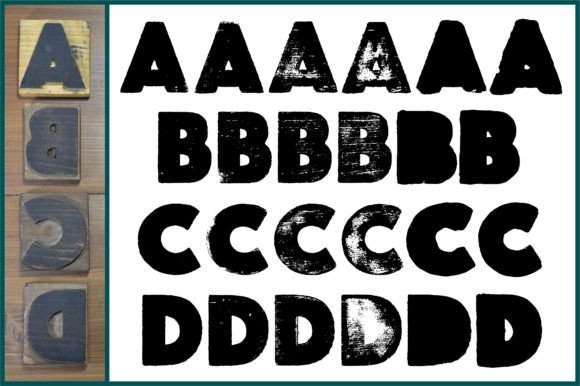
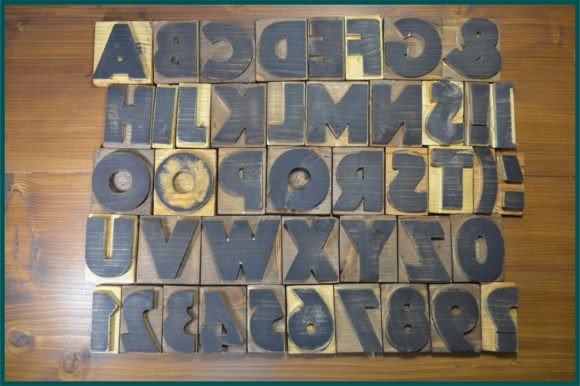
In the world of typography, few fonts have managed to capture the essence of traditional craftsmanship like Cordoba. This unique typeface is a testament to the power of human touch, where each glyph was meticulously carved from wood, pressed, scanned, and digitized to create a truly one-of-a-kind font. In this article, we’ll delve into the making of Cordoba, its distinctive features, and what sets it apart from digitally created designs.
📸 Font Preview Gallery
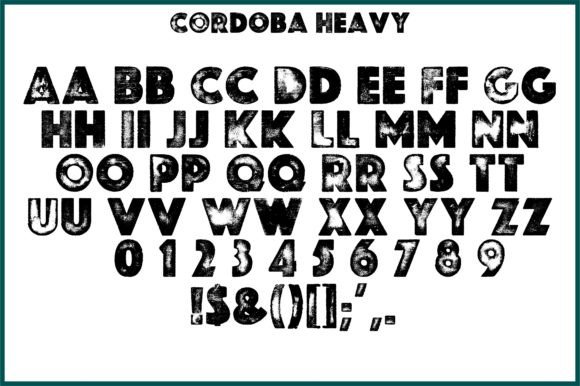
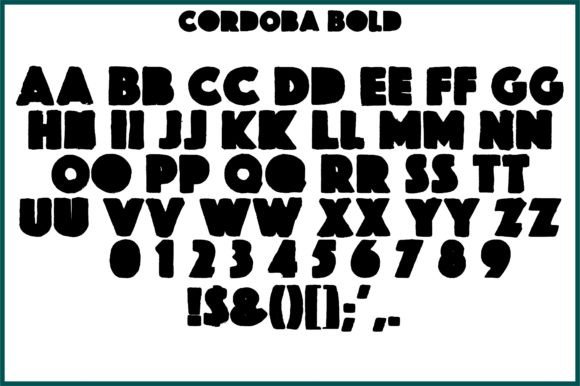
Commercial license included • Instant download • No registration required
The Making of Cordoba
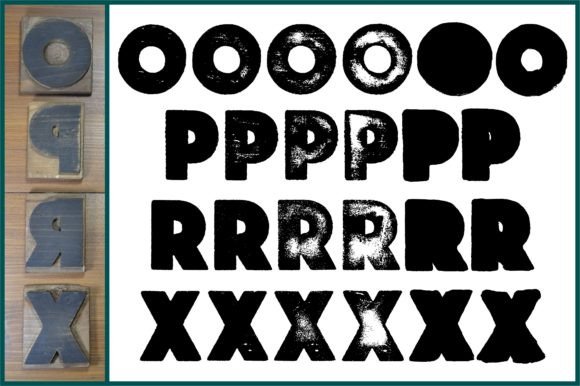
The story of Cordoba begins with a labor-intensive process that involves carving each glyph from wood. This approach not only gives the font its distinctive texture but also imbues it with a sense of tactility that’s hard to replicate with digital designs. The wood-carved letters are then pressed, scanned, and digitized to create a high-quality typeface that’s both visually appealing and authentic.
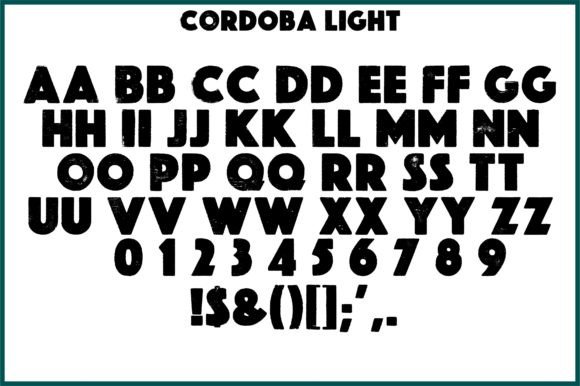
The attention to detail is evident in every aspect of Cordoba’s creation. The typeface consists of 3 styles – light, medium, and heavy – each with its own unique character. What’s more, the uppercase and lowercase letters were printed differently, adding to the font’s visual interest. In total, each English alphabet has 6 textured options, ensuring that no two uses of Cordoba will ever be the same.
A Full Cap Typeface with a Twist
Cordoba is a full cap typeface, which means it’s designed specifically for uppercase letters. However, what sets it apart is the way the uppercase and lowercase letters were printed. The contrast between the two adds a level of sophistication to the font, making it perfect for designers looking to add a touch of elegance to their work.
Another notable feature of Cordoba is its texture. Each glyph has a unique texture pattern, carefully crafted to ensure that no two letters are alike. This approach not only adds visual interest but also gives the font a sense of organic authenticity that’s hard to replicate with digital designs.
The Benefits of a Handcrafted Typeface
So, what are the benefits of using a handcrafted typeface like Cordoba? For designers and crafters, the answer lies in the font’s unique character and tactile appeal. Unlike digitally created designs, Cordoba has a sense of warmth and humanity that’s hard to replicate. The texture, the imperfections, and the subtle variations in the letters all contribute to a font that feels real and authentic.
Moreover, Cordoba’s handcrafted nature makes it perfect for projects where a personal touch is desired. Whether you’re working on a branding project, a packaging design, or a marketing campaign, Cordoba’s unique character is sure to make your work stand out.
Using Cordoba in Your Designs
So, how can you use Cordoba in your designs? The possibilities are endless, but here are a few ideas to get you started:
- Branding and logos: Cordoba’s unique texture and character make it perfect for branding and logo design. Use it to add a touch of elegance and sophistication to your brand identity.
- Packaging design: Cordoba’s tactile appeal makes it perfect for packaging design. Use it to add a personal touch to your product packaging and make it stand out on store shelves.
- Marketing and advertising: Cordoba’s handcrafted nature makes it perfect for marketing and advertising campaigns. Use it to add a touch of authenticity and humanity to your marketing materials.
Cordoba Font: Access Download Now
| Font Name | Cordoba Font |
| Author | wtl.typography |
| Download | Access Download Here |
Conclusion
Cordoba is more than just a font – it’s a work of art that showcases the power of traditional craftsmanship in the digital age. Its unique texture, character, and tactile appeal make it perfect for designers and crafters looking to add a personal touch to their work. Whether you’re working on a branding project, a packaging design, or a marketing campaign, Cordoba is sure to make your work stand out. So, why settle for a digitally created design when you can have a handcrafted typeface like Cordoba?