
Dot Alphabet Font Free Download – Windows, Mac, Linux
Exploring the World of Dot Alphabet Font: Understanding Braille and Its Significance
The Dot Alphabet Font, commonly known as Braille, is a tactile writing system that has been a game-changer for people who are visually impaired. Invented by Louis Braille in the early 19th century, this revolutionary system uses patterns of raised dots to represent letters, numbers, and punctuation marks, allowing individuals to read and write through touch.
📸 Font Preview Gallery
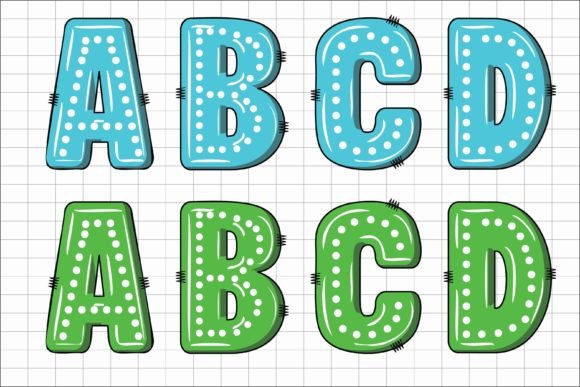
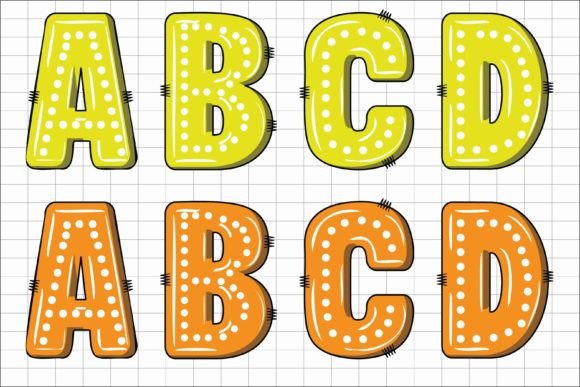
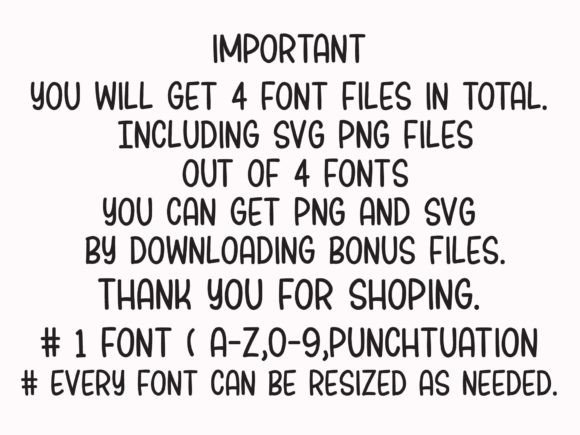
Commercial license included • Instant download • No registration required
The Braille System: A Breakdown of the Basics
At the heart of the Braille system lies a simple yet ingenious concept. Each character in Braille is made up of a cell that contains up to six dots, arranged in a rectangular grid with two columns and three rows. The specific arrangement of these dots determines the meaning of each character. For instance, the letter “A” is represented by a single raised dot in the upper-left corner of the cell.
This clever system allows readers to decipher characters by running their fingers over the raised dots, effectively translating tactile sensations into written language. The Braille system consists of 26 letters, 10 digits, and various punctuation marks, making it a comprehensive and versatile writing system.
Writing in Braille: Tools and Techniques
Braille can be written using a variety of tools and techniques. One traditional method involves using a slate and stylus, which allows for manual creation of the dot patterns. The slate consists of a series of raised lines and dots, and the stylus is used to push the dots into the correct arrangement.
Alternatively, Braille can be produced using a Braille typewriter or an electronic Braille display for digital text. These modern tools have made it easier for individuals to create and read Braille, opening up new possibilities for communication and literacy.
Grades of Braille: Understanding the Different Versions
There are different versions of Braille for various languages and purposes. In English, there are two main grades: Grade 1 (uncontracted Braille) and Grade 2 (contracted Braille). Grade 1 Braille uses the full cell of six dots to represent each letter, whereas Grade 2 Braille uses contractions and abbreviations to represent common letter combinations.
Grade 2 Braille is more widely used, as it allows for faster reading and writing. However, Grade 1 Braille is often used for beginners or for specific purposes, such as labeling and signage.
The Significance of Braille in Modern Times
Despite the advancements in digital technology, Braille remains an essential tool for people who are visually impaired. It provides a tactile and engaging way to read and write, promoting literacy, independence, and inclusivity.
For designers and crafters, understanding Braille can open up new opportunities for creating accessible and inclusive products. By incorporating Braille into their designs, they can cater to a wider audience and make a positive impact on people’s lives.
Designing with Braille: Tips and Inspiration
For designers and crafters looking to incorporate Braille into their work, here are a few tips and inspiration:
- Use Braille fonts and typography to create visually appealing and accessible designs.
- Consider the tactile experience of Braille and how it can be integrated into various materials and textures.
- Research and understand the different grades of Braille and their applications.
- Collaborate with visually impaired individuals to ensure that your designs are accurate and effective.
By embracing Braille and incorporating it into their designs, crafters and designers can create innovative and inclusive products that promote literacy and accessibility.
Dot Alphabet Font: Access Download Now
| Font Name | Dot Alphabet Font |
| Author | CHEETAH DOODLE |
| Download | Access Download Here |
Conclusion
The Dot Alphabet Font, or Braille, is a remarkable writing system that has revolutionized the way people who are visually impaired communicate and engage with the world. Its significance extends beyond its functional use, representing a symbol of inclusivity, literacy, and empowerment.
As designers and crafters, we can learn from the Braille system and its applications, incorporating its principles into our work to create more accessible and engaging products. By doing so, we can promote a more inclusive and compassionate society, where everyone has the opportunity to read, write, and thrive.